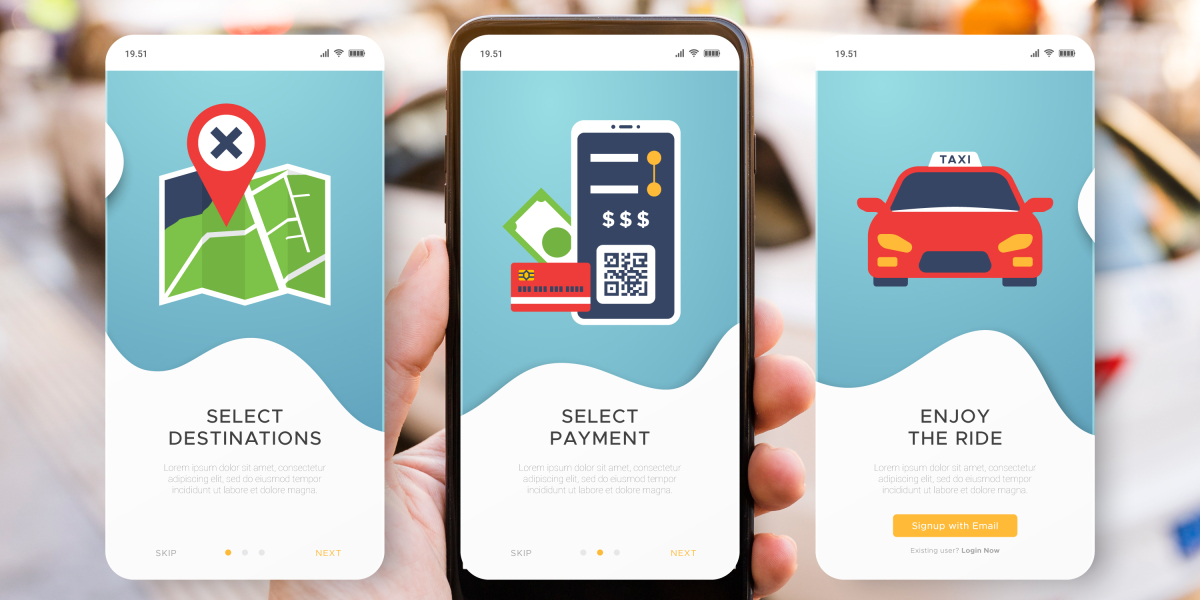
The mobile app economy has reached a point where two categories dominate everyday digital behavior: on-demand service apps and social communication apps. From booking a ride in under thirty seconds to sending a message that reaches a friend halfway across the world instantly, these applications have quietly rewired how people live, work, and connect. For entrepreneurs, startups, and enterprises alike, building an app like Uber, WhatsApp, or Instagram is no longer a niche ambition it is one of the most direct ways to Drive Digital Transformation across an industry.
This guide walks through everything you need to know about on-demand and social app development, from foundational concepts to technology stacks, costs, features, monetization, and how to choose the right development partner.
What Are On-Demand and Social Media Apps?
On-demand apps are platforms that connect a user's immediate need with a service provider in real time. Think of ride-hailing, grocery delivery, food delivery, home services, or logistics all built around speed, convenience, and location intelligence. Uber is the textbook example: a rider opens the app, requests a trip, and within moments a nearby driver accepts and arrives.
Social media apps, on the other hand, are built around communication, content sharing, and community. WhatsApp represents the messaging and calling category, focused on private, secure, real-time conversation. Instagram represents the content and discovery category, focused on photo sharing, video sharing, Stories, Reels, and public engagement.
While these two categories serve very different purposes, they share common technical DNA: real-time data synchronization, cloud infrastructure, strong backend architecture, and intuitive UI/UX design. This overlap is exactly why the same mobile application development principles apply whether you're building a ride-sharing app or a chat application.
The Convergence of On-Demand and Social Features
Interestingly, the line between these categories is blurring. Many on-demand apps now include in-app chat, live location sharing, and community features borrowed from social platforms. Meanwhile, social apps are experimenting with commerce, bookings, and service marketplaces. Understanding both models gives founders a broader toolkit for building a genuinely modern product.
Why Businesses Invest in Apps Like Uber, WhatsApp, and Instagram
Businesses are not chasing these app categories out of imitation they're responding to proven demand patterns and revenue models.
- Massive daily active user engagement that keeps people returning multiple times a day
- Predictable, scalable revenue streams through commissions, subscriptions, or advertising
- Strong brand loyalty once network effects take hold
- Ability to expand into adjacent verticals, such as an Uber-like app expanding from rides into grocery delivery
- Data-driven insights that improve operations and personalization over time
An Uber Clone App model works exceptionally well for markets like taxi booking, courier delivery, or even niche services like on-demand tutoring. A WhatsApp Clone App model fits enterprises building private, secure workplace communication tools. An Instagram Clone App model suits businesses building niche content communities, from fitness creators to local marketplaces.
Benefits of Building On-Demand and Social Media Apps
Building a custom app development solution inspired by these giants brings several tangible advantages.
- Faster market entry using proven, tested app models instead of experimental ones
- Higher user retention because these formats already match user behavior and expectations
- Strong scalability potential as your user base and geography grow
- Multiple monetization avenues built directly into the core experience
- Opportunities to differentiate through localized features, pricing, or niche targeting
For startups, this is often the safest way to enter competitive markets. For enterprises, it's a way to accelerate digital transformation while reducing product-market risk.
Latest Trends in On-Demand and Social App Development
App development trends continue to shift rapidly, and staying current is essential for anyone planning a serious build.
Agentic AI Is Reshaping App Experiences
Perhaps the biggest shift right now is the rise of Agentic AI AI systems that don't just respond to prompts but take autonomous action on a user's behalf. In an on-demand context, an agentic AI assistant could automatically rebook a ride if a driver cancels, adjust a grocery delivery order based on stock availability, or negotiate delivery time slots without user intervention. In social apps, agentic AI can moderate content, summarize long group conversations, or proactively suggest connections.
AI-Powered Feature Adoption Across Categories
Every major app today ships with some AI-Powered Feature baked into its core flow smart replies in chat apps, personalized content ranking in social feeds, dynamic pricing in ride-hailing, and predictive ETAs in delivery apps. AI and Machine Learning are no longer add-ons; they are foundational to how modern apps compete.
Super App Consolidation
Many platforms are evolving into "super apps" that combine ride-hailing, food delivery, payments, and even messaging into a single ecosystem, reducing the need for users to juggle multiple apps.
Voice and Video-First Communication
Voice Calling App and video calling features are now table stakes for messaging apps, with growing demand for high-definition, low-latency calls even on unstable networks.
Short-Form Video Dominance
The Reels Feature and other short-form video formats continue to drive the highest engagement numbers on social apps, pushing platforms to invest heavily in video compression, recommendation algorithms, and creator tools.
Hyperlocal and Vertical-Specific On-Demand Apps
Rather than building broad platforms, many businesses are focusing on hyperlocal or niche verticals a Grocery Delivery Mobile App for a specific city, or a service app tailored to a single industry like pet care or home repair.
Cloud-Native and Serverless Architecture
Cloud Computing continues to underpin scalability, with serverless architectures becoming increasingly common for handling unpredictable traffic spikes, especially during peak ride-hailing or delivery hours.
Essential Features of an App Like Uber
An on-demand transportation or delivery platform typically requires three separate applications: one for customers, one for service providers or drivers, and one admin panel.
User App Features
- User Registration and social login options for fast onboarding
- Real-Time Ride Tracking with live GPS Tracking on the map
- Fare estimation before booking
- Multiple payment gateway integration options including cards, wallets, and cash
- Ratings and Reviews for drivers after each trip
- In-app chat and calling with the driver
- Ride history and receipts
- Scheduled bookings for future trips
Driver or Service Provider App Features
- Trip acceptance and rejection controls
- Turn-by-turn navigation integration
- Earnings dashboard and payout tracking
- Availability toggle for online and offline status
- Push Notifications for new ride requests
Admin Dashboard Features
- Analytics Dashboard for tracking rides, revenue, and user growth
- Driver verification and document management
- Dynamic pricing and surge management controls
- Dispute resolution and support ticketing
- Geolocation Services monitoring for fleet visibility
These features form the backbone of any Ride-Sharing App, Taxi Booking App, or broader Transportation App Development project, and the same architecture adapts well to a Grocery Delivery Mobile App or courier service.
Key Features of Apps Like WhatsApp and Instagram
Messaging and social platforms require a different but equally detailed feature set.
Core Messaging App Development Features
- Real-Time Chat App functionality with instant message delivery
- End-to-End Encryption to secure conversations
- Voice Calling App and video calling capability
- Group chats with admin controls
- Media sharing including images, documents, and voice notes
- Read receipts and typing indicators
- Push Notifications for new messages
- Status or Stories Feature for temporary content sharing
Core Social Networking App Features
- User Profiles with bios, photos, and highlights
- Photo Sharing App and video sharing capabilities
- Stories Feature with 24-hour visibility
- Reels Feature for short-form video content
- Explore or discovery feed powered by recommendation algorithms
- Live Streaming App functionality for real-time broadcasts
- Direct messaging within the platform
- Likes, comments, and sharing tools that drive User Engagement
- Content moderation and reporting tools
Both categories depend heavily on Content Sharing infrastructure, media compression, and cloud storage to keep the experience fast regardless of file size or network conditions.
Step-by-Step Process to Build an App Like Uber, WhatsApp, and Instagram
Understanding the App Development Process end to end helps founders set realistic timelines and budgets.
Step 1: Market Research and Idea Validation
Every successful build starts From Idea to Launch with deep research into your target audience, competitors, and regional market gaps. Validate your assumptions before writing a single line of code.
Step 2: Define Core Features and Scope
Decide which features are essential for your first release versus which can wait. Trying to replicate every feature of Uber or Instagram on day one is a common and costly mistake.
Step 3: Choose the MVP Approach
MVP Development lets you launch a lean version of your product, gather real user feedback, and iterate quickly rather than over-investing before validating demand.
Step 4: UI/UX Design
Strong UI/UX Design determines whether users stay or churn within the first few sessions. Wireframes, prototypes, and user testing all happen at this stage.
Step 5: App Architecture Planning
App Architecture decisions made here whether monolithic or microservices-based directly affect App Scalability later on.
Step 6: Technology Stack Selection
Choosing frameworks, databases, and cloud providers happens in parallel with architecture planning, covered in detail in the next section.
Step 7: Backend and API Development
This includes building the server logic, database structure, and API Integration for third-party services such as maps, payments, and notifications.
Step 8: Frontend Development
Building the actual mobile app interface using Native App Development or Cross-Platform App Development approaches, depending on your budget and timeline.
Step 9: App Testing
App Testing across devices, operating systems, and network conditions ensures a stable release. This includes functional, performance, security, and usability testing.
Step 10: Deployment and Launch
Submitting to the Apple App Store and Google Play Store, along with setting up analytics and monitoring tools before the public launch.
Step 11: App Maintenance and Iteration
Post-launch, App Maintenance becomes an ongoing process of bug fixes, feature updates, and performance optimization based on real user data.
Choosing the Right Technology Stack for Mobile App Development
Selecting the correct technology stack has a direct impact on performance, scalability, and long-term maintenance cost.
Frontend Technology Options
- React Native for cross-platform development with near-native performance
- Flutter for a single codebase with highly customizable UI components
- Swift for native iOS App Development
- Kotlin for native Android App Development
Backend Technology Options
- Node.js for handling real-time features like chat and live tracking efficiently
- Laravel for structured, secure backend logic in service-based platforms
- Firebase for real-time databases, authentication, and Push Notifications
- Cloud Computing platforms such as AWS, Google Cloud, or Azure for hosting and scaling
Choosing Between Native and Cross-Platform Development
Native App Development typically delivers the best performance and deepest access to device features, making it a strong choice for apps like Uber that rely heavily on GPS Tracking and background location services. Cross-Platform App Development, using tools like React Native or Flutter, offers faster development cycles and lower initial cost, making it attractive for MVPs and startups with limited budgets.
Emerging Technology Additions
Blockchain is increasingly explored for secure payments and transparent driver-rider transactions, while Artificial Intelligence (AI) and Machine Learning power everything from fraud detection to content recommendation engines.
How Much Does It Cost to Build an App Like Uber, WhatsApp, or Instagram?
App Development Cost varies significantly based on complexity, platform choice, feature depth, and the region of the development team you hire.
Several factors influence the final price:
- Number of platforms: iOS, Android, or both
- Feature complexity: basic MVP versus a full-featured product
- Design complexity: custom animations and interactions cost more than standard templates
- Backend complexity: real-time features like live tracking or messaging require more engineering effort
- Third-party integrations: payment gateways, maps, and communication APIs
- Team location: rates vary widely between regions and agency sizes
- Post-launch support: ongoing maintenance and scaling costs
A basic MVP for a ride-hailing or messaging app tends to sit at the lower end of the spectrum, while a full-featured platform with AI-Powered Feature integration, advanced analytics, and multi-region scalability sits considerably higher. It is generally wise to start with a well-scoped MVP and reinvest revenue into feature expansion rather than overbuilding from day one.
Common Challenges in On-Demand and Social App Development
Even experienced teams run into predictable obstacles during development.
Scalability Bottlenecks
Apps that succeed often face sudden spikes in usage. Without proper App Architecture and Cloud Computing infrastructure, performance can degrade quickly under load.
Real-Time Data Synchronization
Both categories depend on real-time updates live ride locations or instant messages which require robust WebSocket connections and efficient database design.
Cross-Platform Consistency
Maintaining a consistent experience across iOS and Android, especially with Cross-Platform App Development frameworks, requires careful testing and design discipline.
Payment and Compliance Complexity
Payment Gateway Integration must comply with regional financial regulations, which adds legal and technical overhead, especially for apps operating across multiple countries.
User Trust and Safety
Verifying drivers, moderating social content, and preventing fraud are ongoing operational challenges that require both technical tools and human oversight.
Mobile Application Development Mistakes to Avoid
Many otherwise promising projects fail not because of bad ideas but because of avoidable execution errors. Common Mobile Application Development Mistakes include:
- Skipping proper market research before development begins
- Overloading the MVP with unnecessary features instead of focusing on core value
- Ignoring App Security and Data Privacy from the earliest design stages
- Choosing the wrong technology stack for long-term scalability needs
- Underestimating the importance of onboarding and first-session UX
- Neglecting App Testing across different devices and network conditions
- Failing to plan a monetization strategy before launch
- Not budgeting for ongoing App Maintenance after release
Avoiding these pitfalls early saves significant time and money later in the product lifecycle.
Best Practices for App Security and Data Privacy
App Security and Data Privacy are non-negotiable, particularly for apps handling location data, payments, and private conversations.
- Implement End-to-End Encryption for all sensitive communication
- Use secure authentication methods including Social Login and two-factor verification
- Encrypt data both in transit and at rest
- Conduct regular security audits and penetration testing
- Follow regional data protection regulations relevant to your operating markets
- Limit data collection to what is strictly necessary for functionality
- Provide clear, transparent privacy controls for users
- Monitor for unusual account activity to detect fraud early
Security should never be treated as a post-launch afterthought it needs to be embedded into the App Architecture from the very first development sprint.
How to Monetize On-Demand and Social Media Apps
Mobile App Monetization strategies differ depending on the app category but often overlap in practice.
Monetization Models for On-Demand Apps
- Commission-based earnings on every completed booking or delivery
- Surge or dynamic pricing during high-demand periods
- Subscription plans offering reduced fees or priority service
- Advertising placements within the app interface
- Delivery or service fees layered on top of the base price
Monetization Models for Social Media Apps
- In-feed and Stories advertising
- Creator monetization tools, including tipping or paid subscriptions
- Premium account tiers with enhanced features
- Sponsored content and brand partnerships
- In-app purchases for digital goods or filters
Combining multiple monetization streams, rather than relying on a single revenue source, tends to build more resilient long-term business models.
How to Choose the Right Mobile App Development Company
Selecting the right development partner is often the single biggest factor determining project success.
What to Look For
- A proven portfolio of similar on-demand or social app projects
- Transparent communication and defined project management processes
- Strong expertise across UI/UX Design, backend architecture, and API Integration
- Experience with AI and Machine Learning implementation where relevant
- Clear post-launch support and App Maintenance packages
- Positive client references and verifiable case studies
- Flexible engagement models that match your budget and timeline
When researching Top Mobile App Development Companies in USA, prioritize teams that combine technical depth with genuine product thinking rather than agencies that simply execute a fixed feature list. A strong development partner should challenge assumptions, suggest MVP refinements, and think about App Scalability from day one, not just deliver code.
It's also worth evaluating how a potential partner approaches Enterprise App Development if you're building for a larger organization, since enterprise projects often require additional considerations around compliance, integration with existing systems, and long-term scalability planning.
Conclusion
Building an app like Uber, WhatsApp, or Instagram is a genuinely achievable goal today, thanks to mature technology stacks, proven architectural patterns, and a wealth of lessons learned from the platforms that came before. Whether you're building a Ride-Hailing App, a Chat Application, or a Social Networking App, success comes down to disciplined planning: validating your idea, scoping a focused MVP, choosing the right technology stack, prioritizing security, and partnering with a development team that understands both the technical and business sides of the product.
The apps that win in this space aren't necessarily the ones with the most features they're the ones that solve a real problem quickly, reliably, and securely, while leaving room to grow through AI and Machine Learning, Agentic AI, and continuous iteration based on real user behavior. With the right approach, any business can move confidently From Idea to Launch and build a product capable of true Mobile App Revolutionizes impact within its market.
10 FAQ
1) How long does it take to build an app like Uber?
A basic MVP typically takes a few months to develop, while a full-featured platform with advanced tracking, payments, and admin tools can take considerably longer depending on team size and scope.
2) Is it better to build a native app or a cross-platform app?
It depends on your priorities. Native App Development offers the best performance for location-heavy apps, while Cross-Platform App Development is faster and more cost-effective for early-stage products.
3) How much does it cost to build a WhatsApp-like messaging app?
Cost depends heavily on features such as End-to-End Encryption, voice and video calling, and group chat functionality, along with the platforms you target and the region of your development team.
4) Can I build an Instagram-like app with a limited budget?
Yes, by starting with an MVP that focuses on core features like Photo Sharing App functionality and a basic feed, then expanding into Stories, Reels, and live streaming as the user base grows.
5) What is the most important feature for an on-demand app?
Real-Time Ride Tracking and reliable GPS Tracking are often considered the most critical features, since accuracy and speed directly affect user trust.
6) How do on-demand apps make money?
Common models include commission fees, surge pricing, subscription tiers, delivery charges, and in-app advertising.
7) What technology stack is best for building a scalable app?
A combination of React Native or Flutter for the frontend, Node.js or Laravel for the backend, and a robust Cloud Computing provider generally supports strong App Scalability.
8) How important is AI in modern app development?
Very important. AI-Powered Feature integration now influences everything from personalized content feeds to predictive pricing, and Agentic AI is increasingly automating tasks that once required manual user input.
9) What are the biggest risks in social app development?
Content moderation, data privacy compliance, and maintaining User Engagement at scale are among the most persistent challenges for social platforms.
10) How do I choose the right development company for my app?
Look for proven experience with similar projects, transparent processes, strong technical expertise across the full App Development Process, and a clear plan for post-launch App Maintenance and support.
.jpg)
.jpg)
.jpg)
.jpg)
.jpg)
_(1).jpg)
.jpg)
.jpg)
.jpg)
.jpg)